

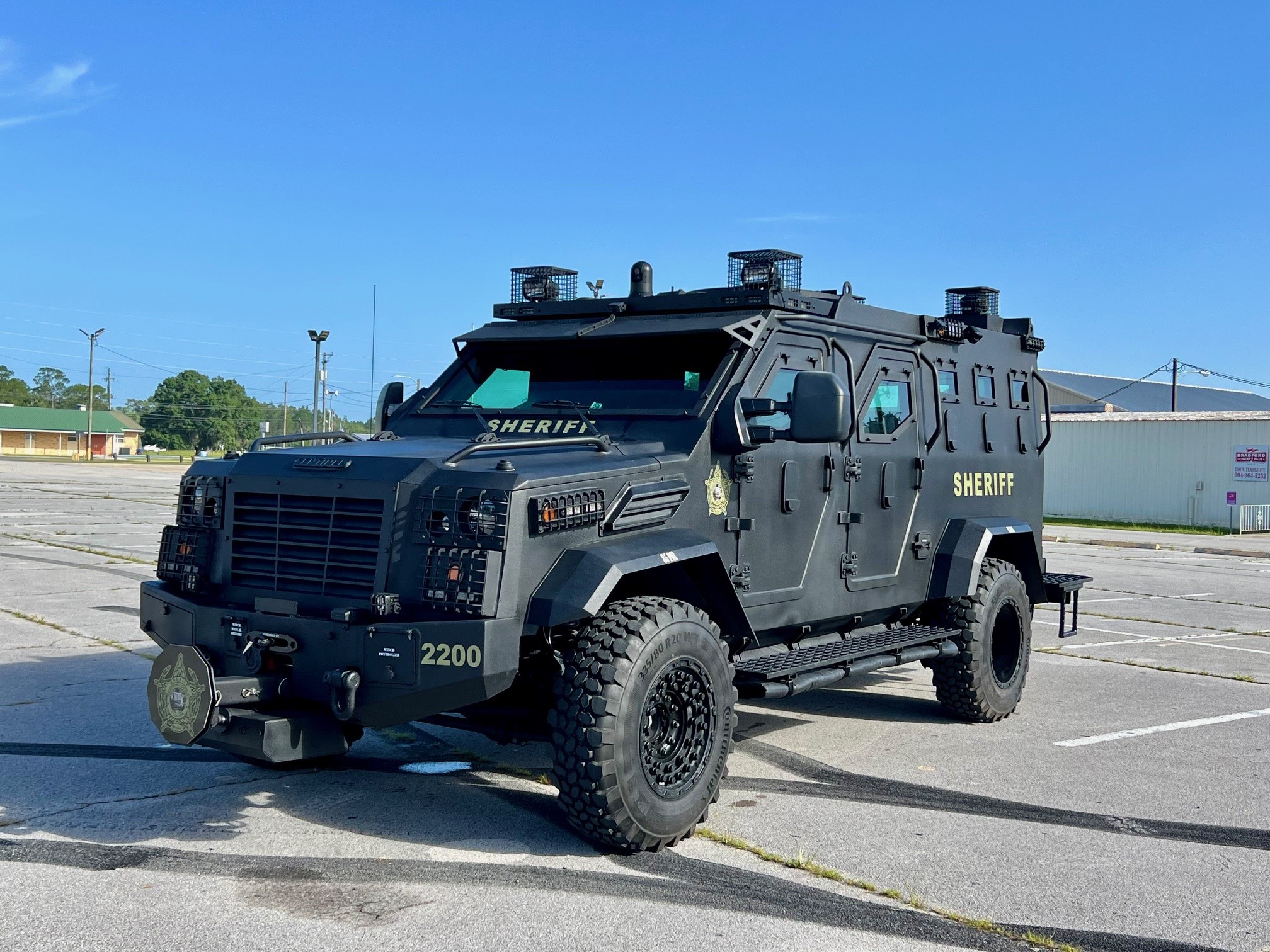
Buying an armored rescue vehicle can appear complicated because the decision touches operations, procurement, legal review, budgeting and often elected officials. In practice, the process becomes much easier when an agency separates three questions: what mission the vehicle must perform, which procurement route is available, and which configuration can be documented and justified.
For U.S. law-enforcement vehicle agencies, GSA and other cooperative purchasing channels can reduce administrative burden by giving qualified buyers access to established contract vehicles. The key is to start with the mission requirement rather than with a brand name or a single specification.
Step 1: Define the Mission Before the Vehicle
Before requesting pricing, the agency should document how the vehicle will actually be used. Typical missions include high-risk warrant service, officer rescue, civilian evacuation, active-shooter response, tactical EMS support, barricaded-subject incidents, mutual aid and protected movement of negotiators or specialized teams.
A strong requirement should identify team size, expected operating environment, ballistic threat level, rescue needs, storage requirements, road conditions, garage or height restrictions, and any special equipment such as a ram, winch, camera system, lighting, gas-delivery system or medical equipment. This prevents the procurement from becoming a list of features that may not support the agency’s real mission.
Step 2: Confirm the Procurement Route
Many agencies can purchase through federal, state or cooperative contract vehicles, while others may need a local solicitation, council approval or a competitive quote process. The purchasing department should confirm eligibility and local policy before the operational team finalizes a configuration.
For agencies considering GSA, procurement staff should confirm buyer eligibility, the applicable contract category, ordering procedures, competition requirements, funding source and internal approval thresholds. If a cooperative contract is used instead, the same discipline applies: confirm that the contract covers the vehicle and options being purchased, and that local procurement rules permit its use.
Step 3: Build a Configuration That Can Be Defended
A defensible armored-vehicle specification explains why each major requirement exists. Instead of specifying a feature simply because it is available, connect it to an operational need. Seating capacity should reflect the normal entry team plus medics or rescued civilians. A winch should be justified by recovery or obstacle-removal needs. Ballistic protection should be tied to the agency’s threat assessment rather than selected only by the highest available rating.
This approach is especially useful when the purchase will be reviewed by a city council, county commission, grant administrator or risk manager.
What Information Should an Agency Request From the Manufacturer?
- A written vehicle specification and options list.
- Applicable ballistic and blast test documentation, through accredited testing laboratories based on internationally recognized standards. Self-testing and testing as per manufacturer driven test specifications is not correct. Ask what standards the testing has been performed against.
- Completed vehicle weight, GVWR, axle ratings and remaining payload for the proposed configuration.
- Warranty terms for the chassis, armor, glass and installed equipment.
- Training included with delivery.
- Parts and after-sales service and support information.
- Estimated production and delivery timelines.
- References from comparable U.S. agencies.
- A clear explanation of what is included in the quoted price and what is optional.
Avoiding Common Procurement Problems
The most common problems occur when operational requirements, contract language and final vehicle configuration are developed separately. A late change to a ram, roof structure, seating layout or communications package can affect weight, electrical load, lead time and cost. The best process is collaborative: SWAT, fleet, procurement, IT/communications, legal and finance should review the same configuration before the order is finalized.
Agencies should also avoid comparing only base prices. Two armored vehicles can appear similar while including very different levels of protection, options, training, warranty, equipment integration and post-delivery support.
A Simple Three-Step Buying Framework
| Stage | What the Agency Should Do |
| 1. Define the mission | Document threats, team size, operating environment, rescue needs and required equipment. |
| 2. Select the procurement route and configuration | Confirm GSA/cooperative eligibility and align options with documented mission requirements. |
| 3. Complete approvals, ordering and delivery planning | Finalize price, funding, training, support, inspection and handover. |
The goal is not to make procurement more complicated. It is to make the decision easy to explain, easy to document and easy to support throughout the vehicle’s service life.
Frequently Asked Questions
Can a local police department use GSA?
Eligibility depends on the specific program, buyer status and applicable purchasing rules. Procurement staff should confirm eligibility before relying on GSA as the acquisition path.
Do we still need competitive quotes?
That depends on the contract vehicle and the agency’s own procurement rules. Some cooperative or schedule purchases simplify competition requirements, while others still require quote comparisons or internal documentation. Nonetheless, it is advisable to test the status quo and solicit from the most reputable manufacturers.
Should SWAT choose the vehicle before procurement gets involved?
Operations should define the mission, but procurement should be involved early enough to confirm the legal purchasing route and documentation requirements. SWAT should seek to understand the options ahead of time to help facilitate procurement decisions.
What should we compare besides price?
Protection, customization, payload, seating, maneuverability, equipment integration, training, warranty, lead time, serviceability and lifecycle support should all be part of the decision. Look for a vehicle with broad history in the law enforcement space, and ideally one that draws on best practices from all over the world.
Next Step
Request a current IAG law-enforcement vehicle quote, procurement documentation package and sample agency specification for the Sentinel ARV or other public-safety platforms.
Editorial note: Verify all current procurement channels, protection ratings, warranty terms, service commitments, lead times, payload figures and configuration details against current IAG documentation before publication.